
Home / Buying Guides / Backpacking Water Filters
THE KITCHLIT BUYING GUIDE
Best Backpacking Water Filters
Eight filters for solo hikes, shared camps and backup kits, compared for everyday trail use and upkeep.
By KitchLit · Updated November 14, 2026
Research-based buying guide. We may earn a commission through our links. As an Amazon Associate, KitchLit earns from qualifying purchases.

Key takeaways
1
Choose for the trip
Frizzlife EF1200 is our top pick for powered dispensing. For larger group camps, compare GravityWorks.
2
Count the whole kit
Compare the filter, water containers, hoses and cleaning tools together. Bare-filter weights can be misleading.
3
Know the limits
Match the model's documented treatment claims to your source. Add appropriate disinfection when the water risks require it.
On this page
The shortlist
Start with how you collect, carry and use water. Each filter below has a different reason to earn space in your pack.
Our top pick
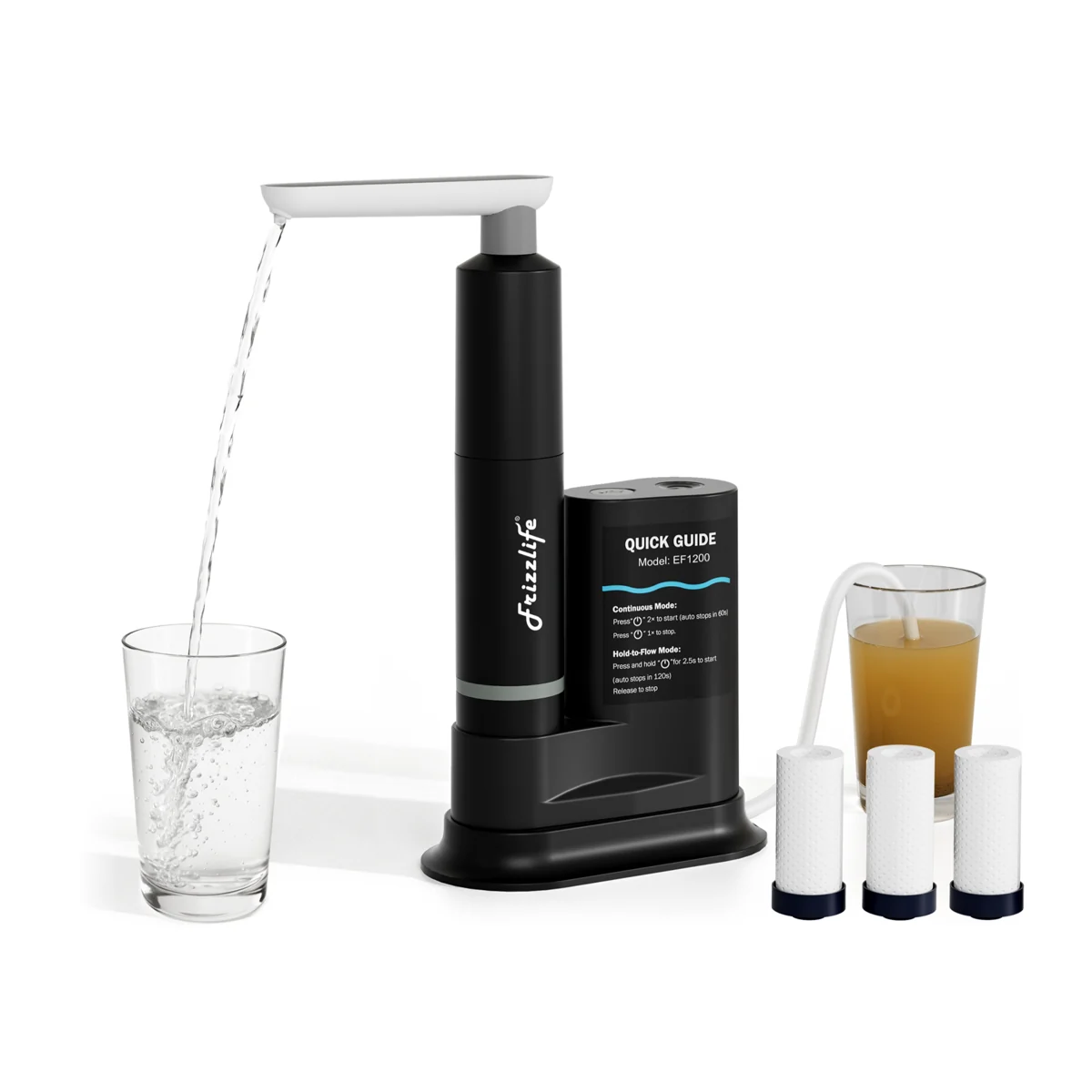
Frizzlife EF1200
A rechargeable electric pump for button-operated bottle fills, with ultrafiltration, carbon and replaceable prefilters.
At Frizzlife
Best manual squeeze filter
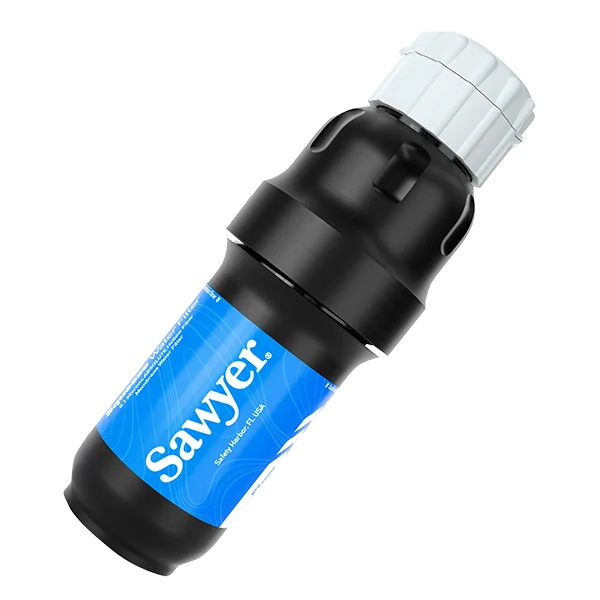
Sawyer Squeeze
A flexible filter for longer trips, compatible with common 28 mm bottles and several ways of carrying water.
On Amazon
Best for quick trail stops
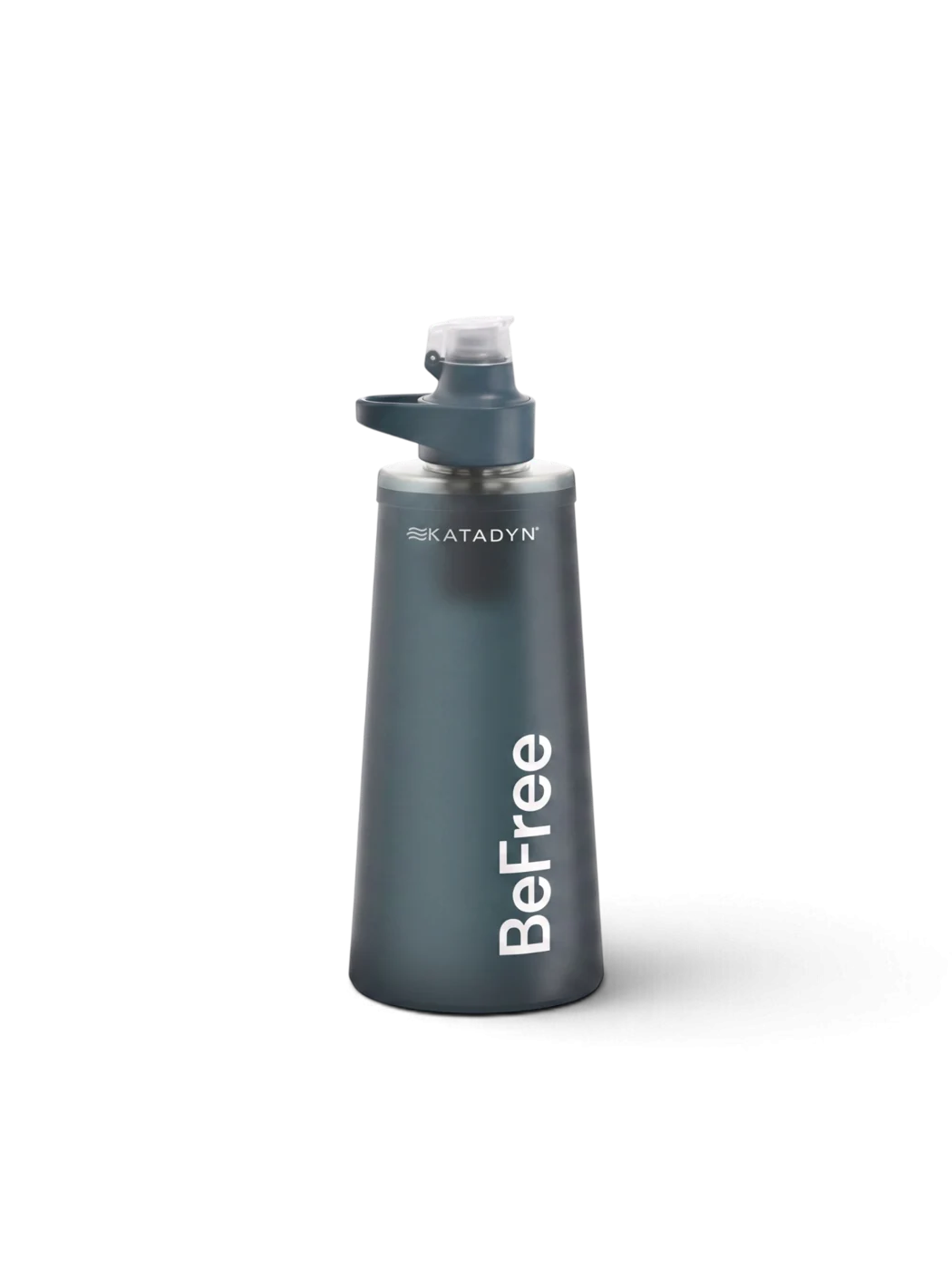
Katadyn BeFree AC 1.0L
A light, easy-to-fill soft flask with simple membrane cleaning and an optional-use carbon stage for taste.
On Amazon
Best for reservoir design
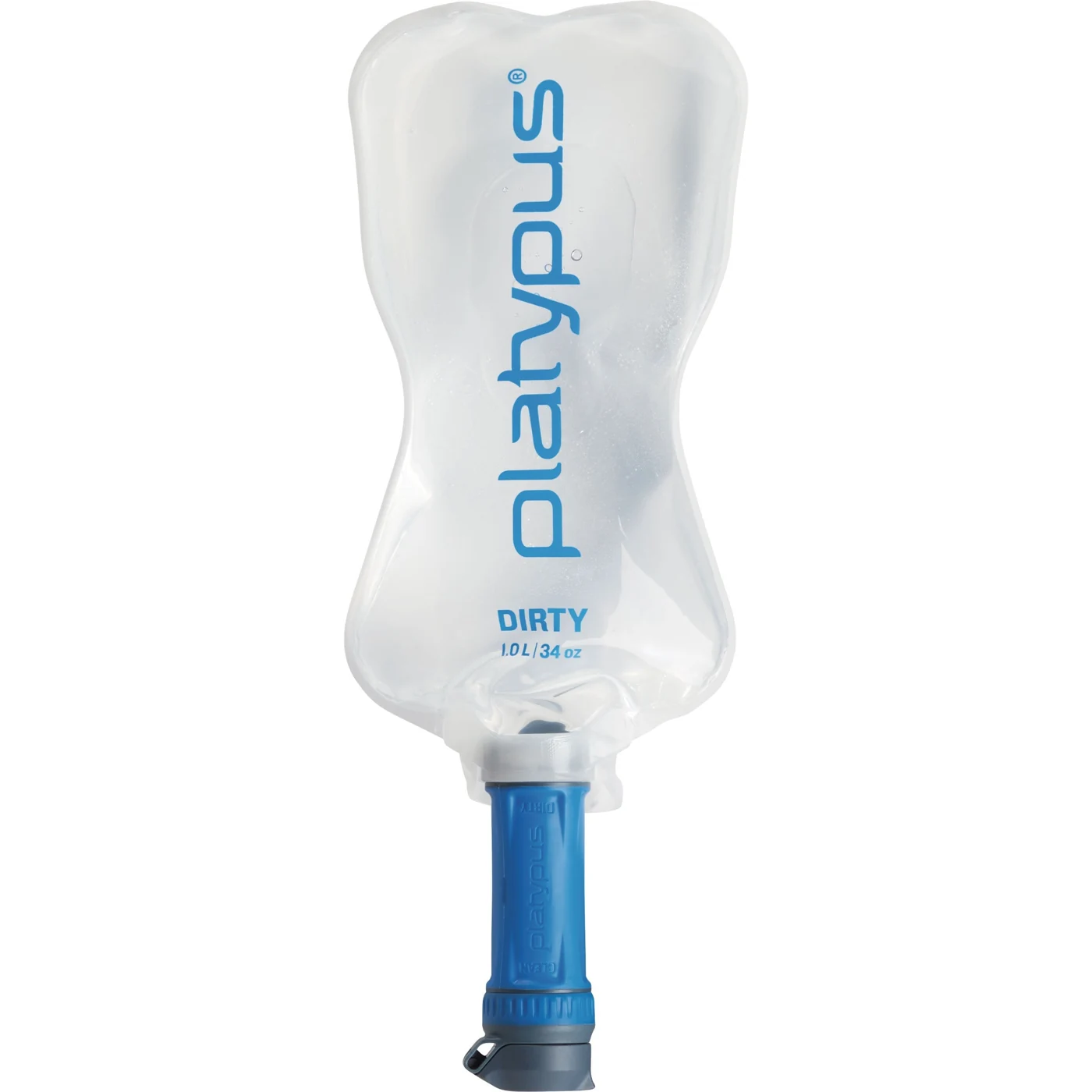
Platypus QuickDraw 1L
A handled reservoir, bottle-compatible connections and a manufacturer-provided integrity check make a practical trail kit.
On Amazon
Most versatile personal system
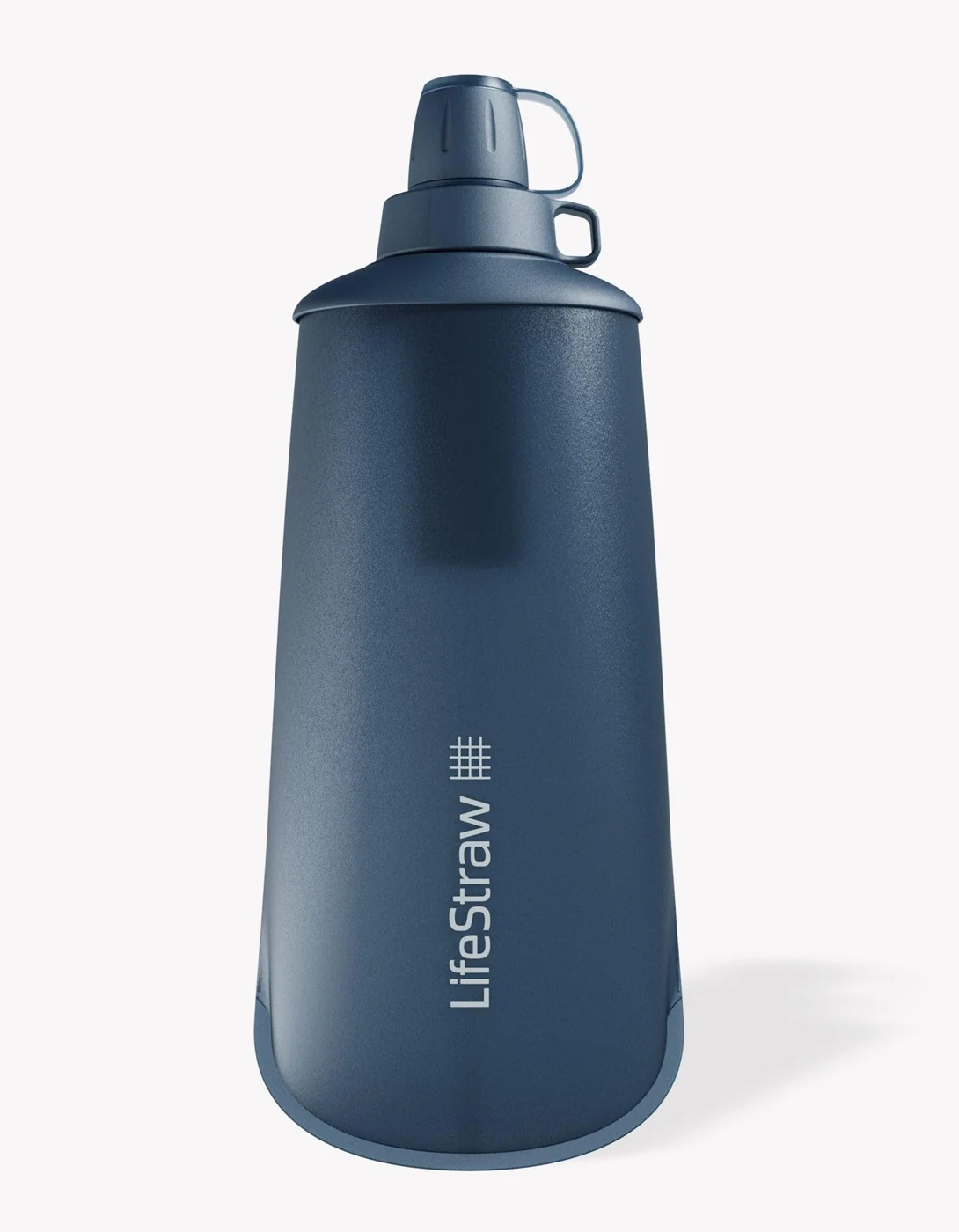
LifeStraw Peak Squeeze 1L
Drink from the soft bottle, squeeze into cookware or adapt the filter to another compatible carrying setup.
On Amazon
Best for groups and camp
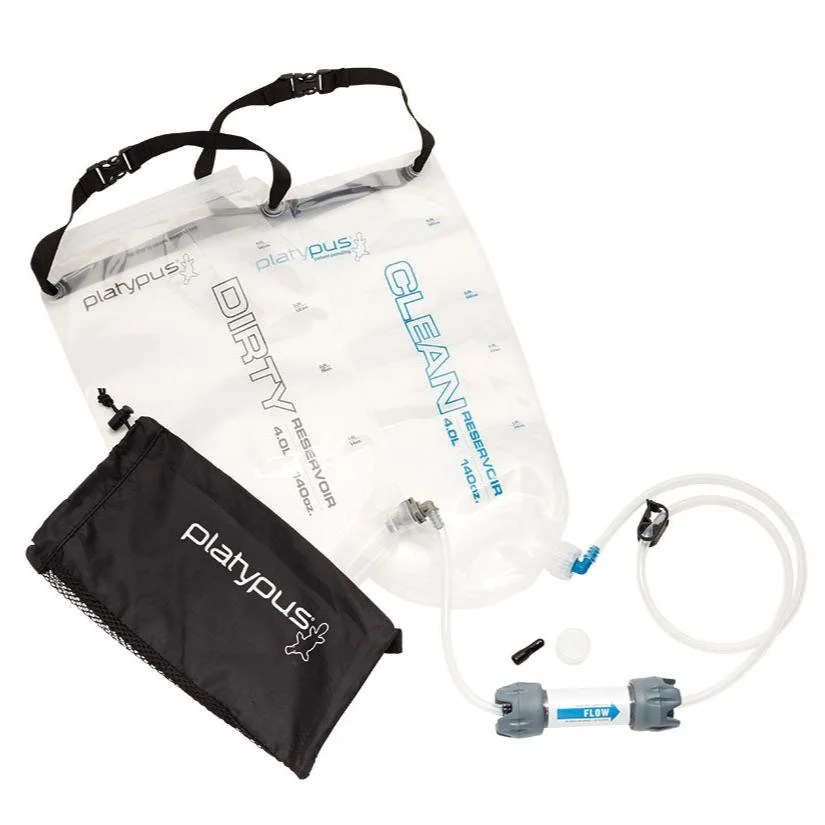
Platypus GravityWorks 4L
Hang the dirty-water reservoir and let gravity process several liters while the group settles into camp.
On Amazon
Best pump-style option
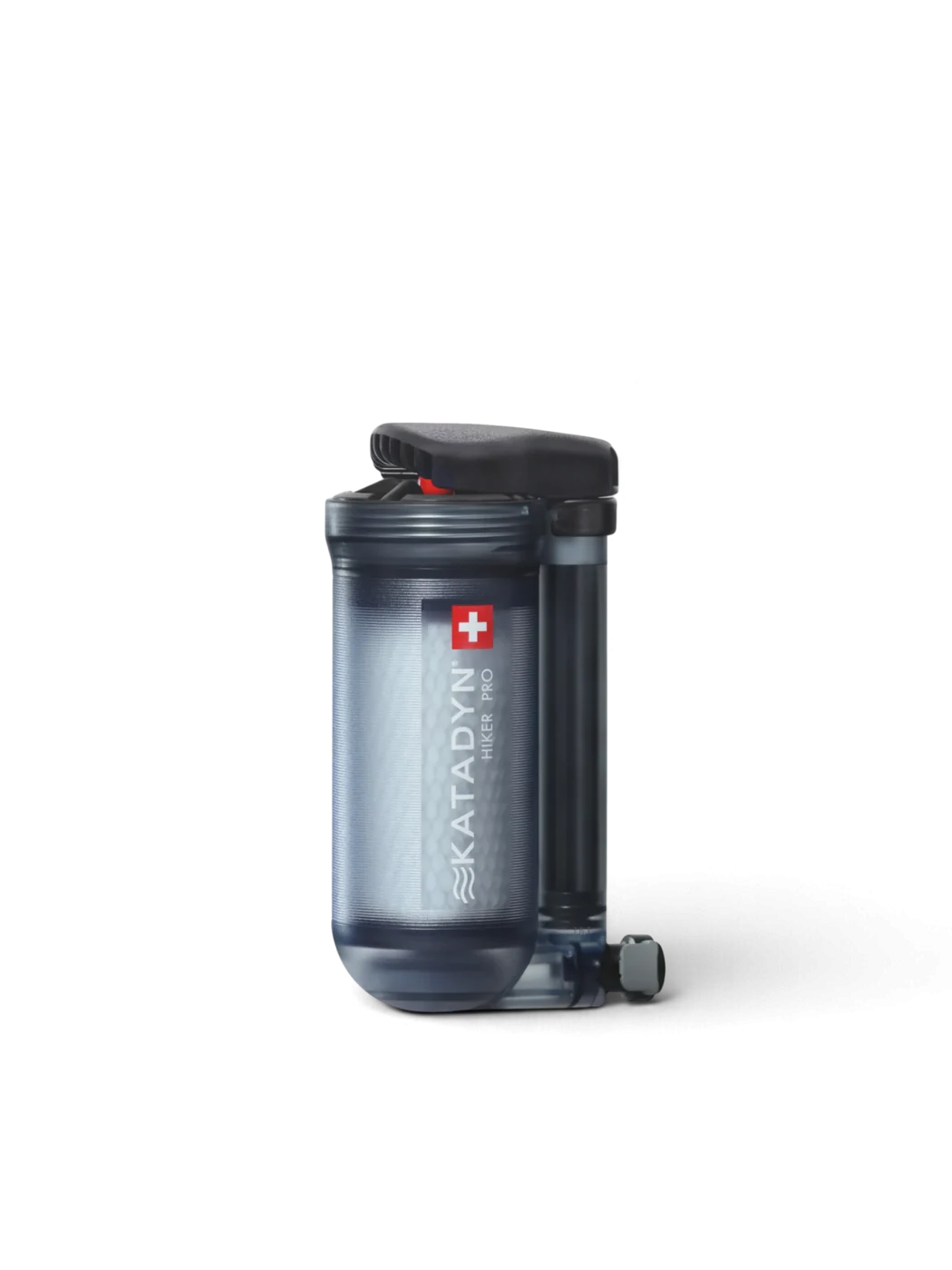
Katadyn Hiker Pro Transparent
An intake hose reaches sources that are awkward to scoop, with a replaceable cartridge and carbon for taste.
On Amazon
Best straw-style backup
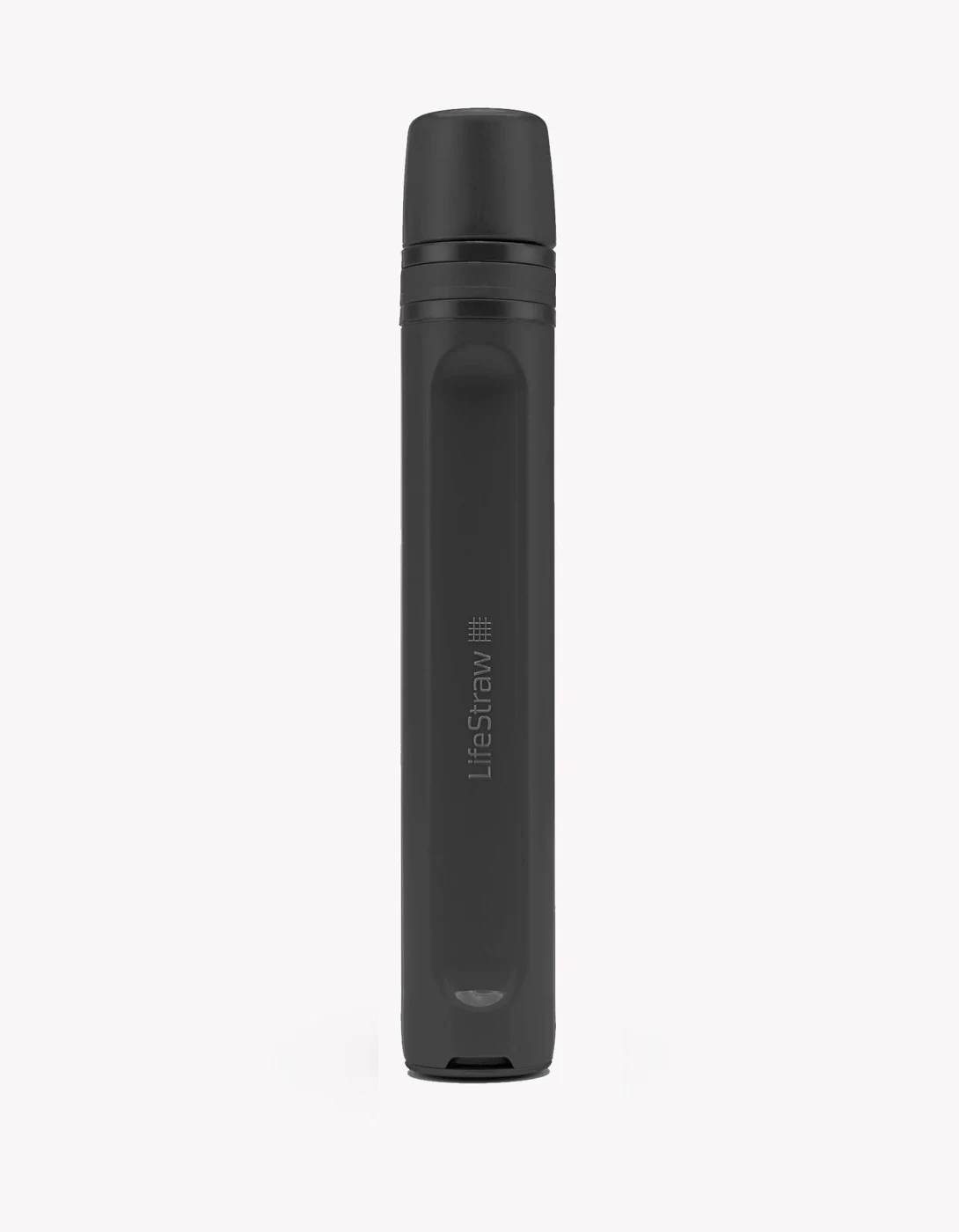
LifeStraw Peak Series Straw
A simple personal filter for direct drinking or compatible bottles, best treated as a backup in this lineup.
On Amazon
Swipe or use the arrows to explore all eight filters.
Compare the essentials
Compare a rechargeable pump system with manual squeeze, gravity and straw filters. Match documented treatment claims to your water source; weight labels show what each published figure includes.
| Filter | Best fit | Format | Weight & what it includes | Manufacturer flow | Main tradeoff |
|---|---|---|---|---|---|
| Frizzlife EF1200 | Our top pick / powered dispensing | Rechargeable electric pump / hose | 1.06 lb / approx. 481 g (listed product weight) | Up to 605 mL/min | Needs charging and cartridge upkeep |
| Sawyer Squeeze | Manual squeeze setups | Squeeze / bottle / inline | 3 oz / 85 g (filter only) | Varies with setup and cleaning | Needs backflushing to preserve flow |
| Katadyn BeFree AC 1.0L | Quick trail stops | 1L soft flask / squeeze | 2.7 oz / 76 g (Slate Blue system) | Up to 2 L/min | Fewer compatible bottle options |
| Platypus QuickDraw 1L | Reservoir design | 1L reservoir / squeeze | 3.3 oz / 95 g (system) | Up to 3 L/min | Bulk water processing still takes work |
| LifeStraw Peak Squeeze 1L | Versatile personal use | 1L soft bottle / squeeze / straw | Approx. 3.6 oz / 102 g (listed system weight) | Depends on drinking or squeeze use | Backwashing is part of maintenance |
| Platypus GravityWorks 4L | Groups and camp | Gravity / two 4L reservoirs | 11.5 oz / 326 g (4L system) | Up to 1.75 L/min | More weight and bulk for solo travel |
| Katadyn Hiker Pro Transparent | Pump-style collection | Hand pump / intake hose | Approx. 11 oz / 310 g (manual specification) | Up to 1 L/min | Heavier and more parts to manage |
| LifeStraw Peak Series Straw | Straw-style backup | Personal straw / compatible bottles | 2.3 oz / 65 g (straw) | Depends on suction and configuration | No water storage included |
← Swipe the table to compare →
*Published weights, maximum flow and service-life ratings are manufacturer specifications, not KitchLit measurements. Water quality, cleaning, included accessories and product versions affect the working setup. Slower flow may occur well before a rated capacity is reached.
Our picks for the trail
Our recommendations weigh usefulness, compatibility and maintenance alongside size and price. Choose the format that fits your water stops and camp routine.
Our top pick
USB-C rechargeable electric pump / intake hose
Frizzlife EF1200
Frizzlife EF1200 is our top pick for hikers who prefer powered dispensing. Place the intake hose in the source and use the button to fill a separate bottle or reservoir. A rechargeable pump moves water through a 0.01-micron ultrafiltration stage, carbon and prefilters, so you do not need to squeeze a flask or pump by hand.
Filter pore size
0.01 micron (UF)
Weight
1.06 lb / approx. 481 g (listed product weight)
Rated service life
UF: up to 300 gal / 6 months*
What works
- Push-button dispensing without squeezing
- USB-C rechargeable pump
- Replaceable UF cartridge and prefilters
Keep in mind
- Needs charging and adds pump weight
- UF and prefilters have separate service limits
Who should choose it: Hikers who prioritize button-operated fills and are happy to carry a rechargeable pump. Explore our Frizzlife review →
Use and maintenance
Plan for USB-C charging and pack the hoses and cleaning parts. Frizzlife lists flow at up to 605 mL per minute. Backflush as directed; replace UF0418 at its stated 300-gallon or six-month limit and PP2540 prefilters at 100 gallons or two months, with actual life depending on source quality. A 0.01-micron specification alone should not be treated as proof of verified virus removal.
Manufacturer specifications and care guidance
See our Frizzlife EF1200 review for a closer look at charging, refill speed, replacement filters and treatment limitations.
At Frizzlife
Best manual squeeze filter
Squeeze / bottle / inline
Sawyer Squeeze
The full-size Sawyer Squeeze is our manual squeeze pick for backpackers who want one filter they can build a water kit around. Screw it onto a compatible bottle, squeeze water into a clean container, or use the appropriate adapters for an inline setup. Its flexibility makes it useful as trips and carrying habits change.
Filter pore size
0.1 micron
Weight
3 oz / 85 g (filter only)
Rated service life
Rated up to 100,000 gallons*
What works
- Common 28 mm bottle compatibility
- Several configurations and reusable cartridge
- Strong long-term value when maintained
Keep in mind
- Needs backflushing to preserve flow
- Included pouches can wear before the filter
Who should choose it: Best for hikers who value a flexible, maintainable setup over an all-in-one flask.
Use and maintenance
The small cartridge is only part of the packed weight: include your bottles, dirty-water bag and cleaning equipment. Backflushing is part of ownership, especially after silty sources, and a spare compatible container is sensible on a longer trip. Choose the full-size Squeeze deliberately; Sawyer's Mini and Micro Squeeze are separate models.
On Amazon
Best for quick trail stops
1L soft flask / squeeze
Katadyn BeFree AC 1.0L
The BeFree AC suits hikers who want to fill a flask, take a drink and get moving. Its wide opening helps with collection, and cleaning the EZ-Clean membrane uses a shaking or swishing routine rather than a separate syringe. This is the AC 1.0L model, with a replaceable carbon stage for taste and odor reduction.
Filter pore size
0.1 micron
Weight
2.7 oz / 76 g (Slate Blue system)
Rated service life
Membrane up to 1,000 L; carbon up to 200 L*
What works
- Light complete flask system
- Tool-free membrane cleaning
- Carbon option for taste and odor
Keep in mind
- Fewer compatible bottle options
- Sediment can reduce the initial flow
Who should choose it: Best for frequent short stops where simple drinking and refilling matter most.
Use and maintenance
Katadyn rates flow at up to two liters per minute, but that is a clean-filter specification rather than a promise for every source. Fine sediment can slow the membrane. The 42 mm connection also limits substitute bottle choices compared with Sawyer. Carbon and membrane have different replacement limits, so track both if you use the carbon stage.
On Amazon
Best for reservoir design
1L reservoir / squeeze
Platypus QuickDraw 1L
The QuickDraw 1L is a useful alternative if the bag and the cleaning routine matter as much as the filter. Its reservoir has a wide opening and a fill handle, while the cartridge connects to compatible narrow-mouth bottles. The included DrinkCap and ConnectCap give you a choice between drinking, pouring and filling another bottle.
Filter pore size
0.2 micron
Weight
3.3 oz / 95 g (system)
Rated service life
Cartridge up to 1,000 L*
What works
- Wide reservoir opening and useful handle
- Cleaning without a separate syringe
- Instructions include an integrity check
Keep in mind
- Bulk water processing still takes work
- Cartridge replacement adds to ongoing cost
Who should choose it: Best for hikers who want a well-integrated reservoir and practical maintenance features.
Use and maintenance
Two details distinguish it from a basic squeeze kit: shake-to-clean and backflushing options, plus an integrity-check procedure explained in the instructions. Learn that procedure before your trip. Its advertised maximum flow is not a substitute for cleaning, and the cartridge's rated service life is shorter than Sawyer's headline rating.
On Amazon
Most versatile personal system
1L soft bottle / squeeze / straw
LifeStraw Peak Squeeze 1L
LifeStraw's Peak Squeeze makes sense when you want your drinking bottle and filter in one packable setup. It can also dispense filtered water into a cooking pot or another container, which is more practical at camp than a straw used only for direct drinking. The bottle collapses as the water is used.
Filter pore size
0.2 micron
Weight
Approx. 3.6 oz / 102 g (listed system weight)
Rated service life
Membrane up to 2,000 L*
What works
- Drink, squeeze and compatible straw uses
- Collapsible bottle stores compactly
- Can fill cookware or another container
Keep in mind
- Backwashing is part of maintenance
- Standard membrane does not improve every taste
Who should choose it: Best for a solo hiker who wants several uses from one bottle-and-filter setup.
Use and maintenance
Keep its backwash accessory with the kit and follow LifeStraw's cleaning instructions when flow slows. The standard membrane is for bacteria, parasites and particles; a carbon accessory is a separate purchase. Check the one-liter option when ordering because the Peak range also includes smaller squeeze bottles and separate straw filters.
On Amazon
Best for groups and camp
Gravity / two 4L reservoirs
Platypus GravityWorks 4L
GravityWorks earns its place when several people need water for bottles, meals and overnight storage. Fill the dirty reservoir, suspend it above the clean reservoir, and let gravity move water through the filter. You can do other camp jobs instead of repeatedly squeezing a one-liter flask.
Filter pore size
0.2 micron
Weight
11.5 oz / 326 g (4L system)
Rated service life
Cartridge up to 1,500 L*
What works
- Processes a larger batch without pumping
- Separate clean and dirty storage
- Useful shared system for camp chores
Keep in mind
- More weight and bulk for solo travel
- Needs hanging space and clean hose handling
Who should choose it: Best for partners or groups who regularly treat several liters at camp.
Use and maintenance
The four-liter version includes separate dirty and clean reservoirs; those capacities should not be confused with the cartridge's service life. Expect more packed bulk than a personal filter and allow a suitable place to hang the bag. Backflushing and careful separation of the clean hose and reservoir remain important. A solo hiker making quick stops will usually find one of the squeeze systems easier to carry.
On Amazon
Best pump-style option
Hand pump / intake hose
Katadyn Hiker Pro Transparent
A pump is worth considering when getting water into a flask is the difficult part. The Hiker Pro's intake hose lets you collect from a shallow pool or reach past a bank while pumping into a compatible bottle or reservoir. Its replaceable cartridge includes activated carbon to reduce unpleasant tastes.
Filter pore size
0.2 micron
Weight
Approx. 11 oz / 310 g (manual specification)
Rated service life
Cartridge up to 1,150 L*
What works
- Intake hose helps reach awkward sources
- Replaceable cartridge and cleanable protector
- Carbon stage helps with unpleasant taste
Keep in mind
- Heavier and more parts to manage
- Repeated pumping for larger volumes
Who should choose it: Best for hikers who specifically prefer hose-based collection and a hand pump.
Use and maintenance
The compromise is the extra equipment and repeated hand pumping. Pack the hoses, connections and maintenance supplies when comparing its weight with a squeeze filter. The cleanable protector helps manage debris, but a pump does not make polluted water universally drinkable. Choose this format for the collection problem it solves rather than for ultralight packing.
On Amazon
Best straw-style backup
Personal straw / compatible bottles
LifeStraw Peak Series Straw
The Peak Series Straw is the small direct-drinking option in this guide. You can use it at a freshwater source or attach it to certain compatible 28 mm bottles. It is a reasonable addition to a daypack or emergency kit if you understand how you will collect and carry water when you leave the source.
Filter pore size
0.2 micron
Weight
2.3 oz / 65 g (straw)
Rated service life
Membrane up to 4,000 L*
What works
- Simple personal drinking format
- Some bottle compatibility
- Compact addition to a backup kit
Keep in mind
- No water storage included
- Less convenient for filling pots or group bottles
Who should choose it: Best as a straw-style backup alongside a planned water-carrying system.
Use and maintenance
For a backpacking trip involving cooking, shared water or long dry stretches, a squeeze bottle or gravity system is a more complete starting point. The straw alone adds no storage capacity. We chose the Peak version over also listing the original LifeStraw Personal, since both would occupy much the same place on a short list.
On Amazon
How to Choose a Water Filter for Hiking
Picture the whole water stop: reaching the source, filling the dirty container, treating the water, carrying enough and cleaning the equipment. A filter that suits that routine is easier to use consistently.
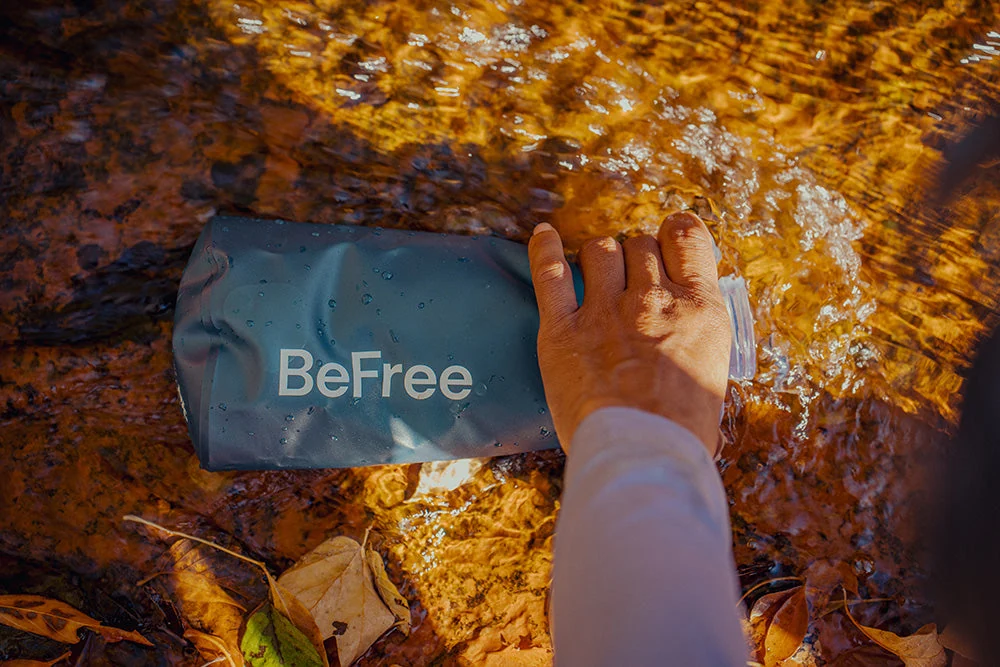
Katadyn BeFree in use. Photo: Katadyn.
Start with the protection you need
Clear water can still contain germs. The CDC recommends boiling, or filtering and then disinfecting, when water safety is uncertain. Typical backpacking microfilters target bacteria and protozoa. A finer ultrafiltration specification alone does not establish verified virus removal; check the exact model's documented microbial claims.
Follow local trail advisories and the exact treatment instructions. If harmful chemicals, fuel, algal toxins or industrial runoff may be present, find another source. A taste-improving carbon stage does not establish protection against every dissolved contaminant.
Choose squeeze, gravity, pump or straw
Squeeze filters suit frequent refills and flexible bottle setups. Gravity systems are useful when a group needs several liters at camp. Pumps can help reach awkward collection points using an intake hose. Electric models such as EF1200 handle the pumping for you and need battery charging. Straws suit personal drinking or backup use, but still require a separate plan for storage and cooking water.
Start with EF1200 for powered dispensing; compare Sawyer, BeFree AC and QuickDraw for manual squeeze use, or GravityWorks for processing larger amounts at camp.
Check bottle threads and filling access
An attachment that almost fits can leak or cross-thread. Sawyer uses common 28 mm bottle threads; the BeFree membrane uses a wider 42 mm connection. Confirm compatibility for your exact bottle or reservoir. A handled, wide-mouth dirty-water bag can be easier to fill than a narrow bottle, but shallow trickles may still call for a scoop or intake hose.
Compare packed weight and useful capacity
A one-liter flask is storage capacity, while a 1,000-liter cartridge rating describes service life under stated conditions. Neither tells you how much water you need between sources. Add the weight of your containers and cleaning tools, and plan the water carry around the route, weather, distance and current source reports.
Look beyond a brand-new filter's speed
Maximum liters per minute are useful context, but sediment, trapped air and a dirty membrane can change the experience. Compare the cleaning process as closely as the advertised flow. Carry the required cleaning accessory, practice at home and maintain the filter using clean treated water as directed.
Keep the filter working
Good water handling and maintenance are part of the system you buy.
Keep dirty and clean parts separate
Mark the dirty container, protect the clean outlet and avoid letting untreated water wet bottle rims, clean caps or drink tubes. A filtered stream of water can be contaminated again by the container it enters.
Protect a wet filter from freezing
Freezing can damage a wetted membrane even when the housing looks normal. Follow the model's cold-weather instructions, keep it warm when temperatures drop, and use the manufacturer's replacement or integrity-check guidance if freezing is suspected. Sawyer explains this in its filter care FAQs.
Carry a separate backup method
A damaged bag, clogged cartridge, flat battery or cold night can interrupt filtration. Carry an appropriate backup treatment and know its dose, contact time and limitations before relying on it. Follow instructions for filtering and disinfecting when both steps are needed.
Clean and store it after the trip
Use the manufacturer's sanitation, drying and storage procedure for the exact model. Rehydrate and check the equipment before the next trip so the first refill is not where you discover slow flow or a missing seal.
Backpacking water filter questions, answered
What is the best backpacking water filter for most people?
Frizzlife EF1200 is our top pick for button-operated dispensing. Sawyer Squeeze is our manual squeeze alternative, BeFree AC suits simple refill stops, and GravityWorks is useful when several people need water at camp. Choose around the source, your carrying routine and the treatment capabilities you need.
Is a water filter enough for hiking?
A filter's job depends on its verified capabilities. This lineup includes manual microfilters and Frizzlife's rechargeable ultrafiltration system. Check each model's documented microbial reductions. CDC guidance recommends boiling, or filtering and then disinfecting, when water safety is uncertain. Follow current local advisories and the equipment instructions.
Sawyer Squeeze or Katadyn BeFree AC?
Choose Sawyer if common bottle compatibility and a flexible system are priorities. Choose BeFree AC if you prefer an integrated soft flask and a simple membrane-cleaning routine. BeFree's carbon stage adds taste treatment, while Sawyer's standard Squeeze is a membrane filter. Neither is a virus purifier.
What is the difference between a filter and a purifier?
A purifier is designed to address viruses as well as bacteria and protozoa when used as specified. Typical backpacking microfilters do not cover viruses. Compare the exact product's documented microbial reductions instead of relying on a pore-size number or the word 'purification' in a retailer title.
Can these filters make saltwater or chemically polluted water safe?
No. These backpacking filters do not desalinate seawater, and a bacteria-and-protozoa claim does not establish protection from dissolved chemicals, metals or toxins. Choose a different water source if contamination is suspected; a better taste is not a safety test.
Is a LifeStraw straw enough for a multi-day backpacking trip?
It can be a useful personal or backup filter, but the straw itself stores no water. Plan for drinking between sources, preparing food and treating water for camp. A squeeze system that fills a clean container is usually a more complete starting point for those tasks.
Do I need a gravity filter for two people?
Not necessarily. Two people can share a squeeze filter if their routine involves small refills. A gravity setup becomes more attractive when you regularly process several liters for meals and overnight storage. Decide whether the saved effort is worth the extra weight and bulk.
How often should a backpacking filter be replaced?
Follow its service limit, cleaning instructions and damage guidance. Published liter ratings are upper limits under stated conditions; clogging or physical damage can shorten useful life. Replace a suspect filter when the manufacturer directs, even if it has not reached its advertised capacity.
How we chose these filters
This is a research-based buying guide, not a report of KitchLit hands-on testing. We compared manufacturer specifications and care instructions with published field reviews and recurring hiker concerns about flow, cleaning, containers and group use. The recommendations are our editorial judgments; maximum flow and lifespan figures are manufacturer ratings.
Water treatment at home
Trail filters and home water systems solve different problems. For treated tap water, explore our best water filters and water filter pitchers guides. Our water softener vs. water filter guide explains where hardness treatment fits.